

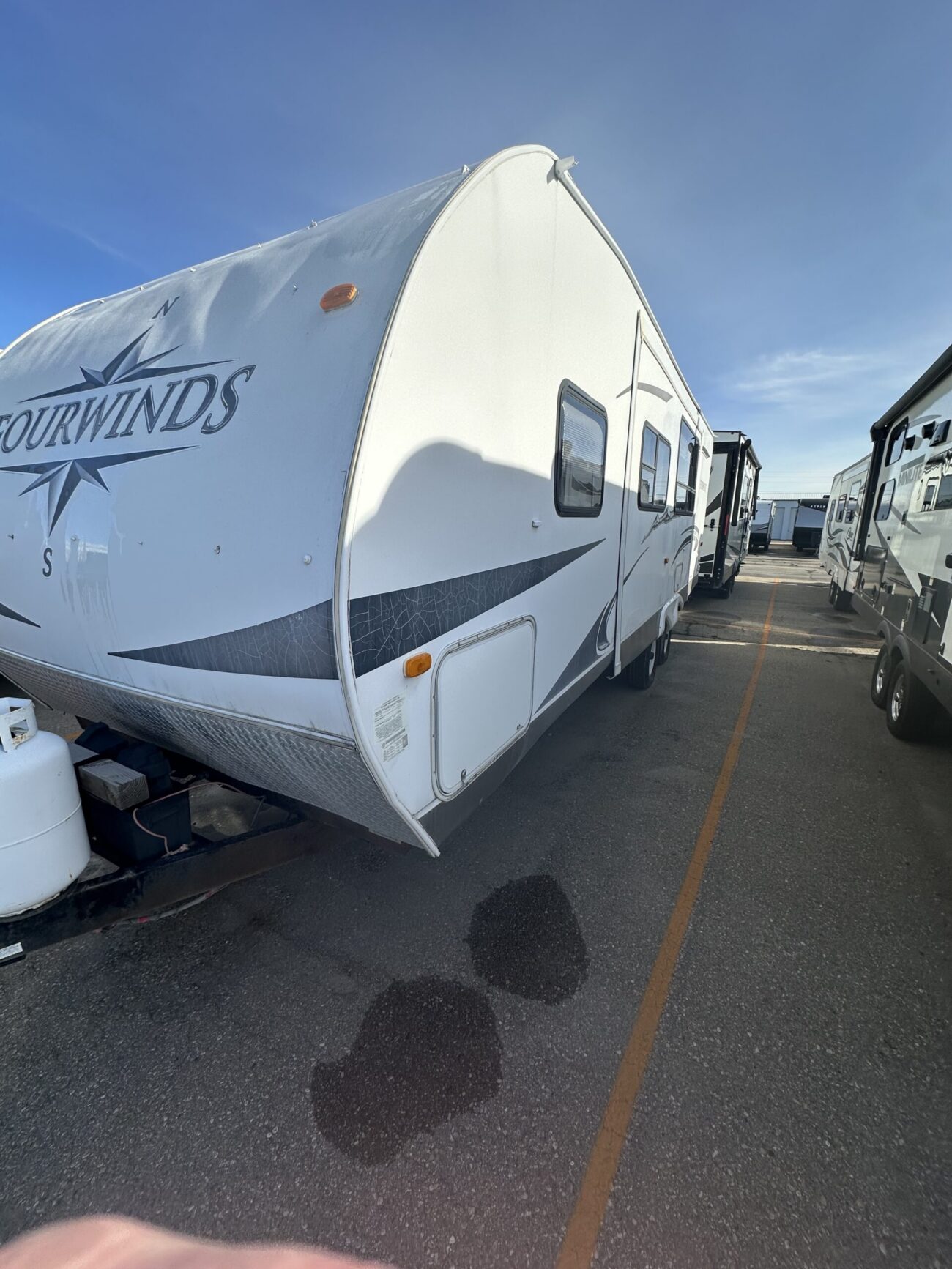
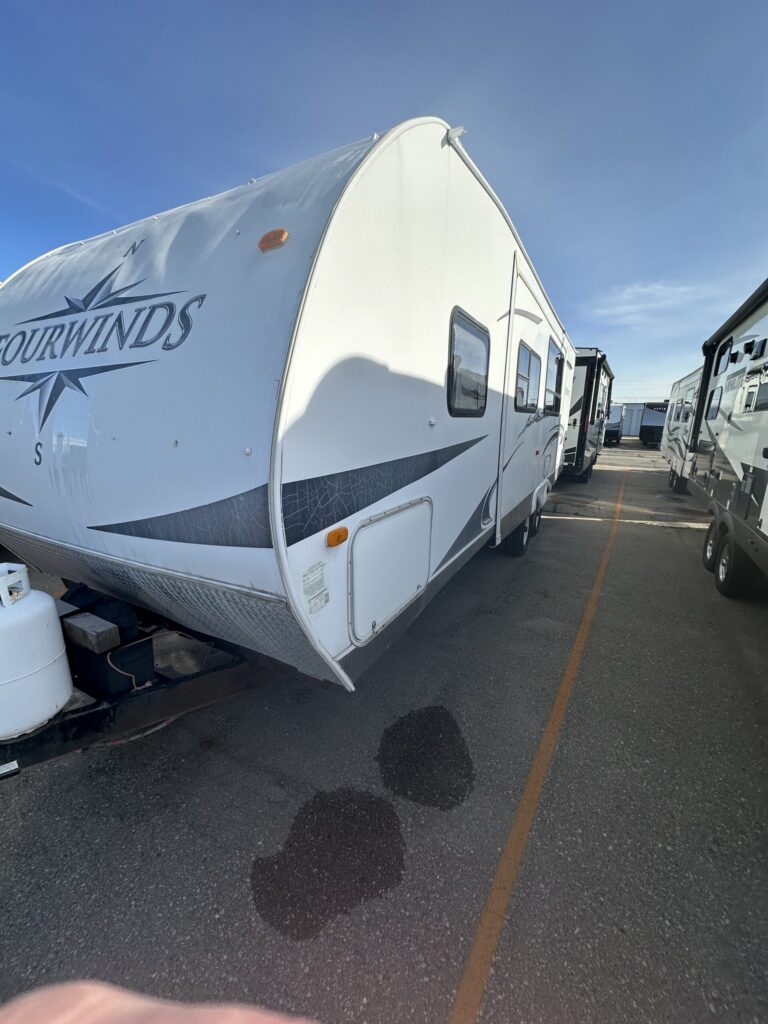
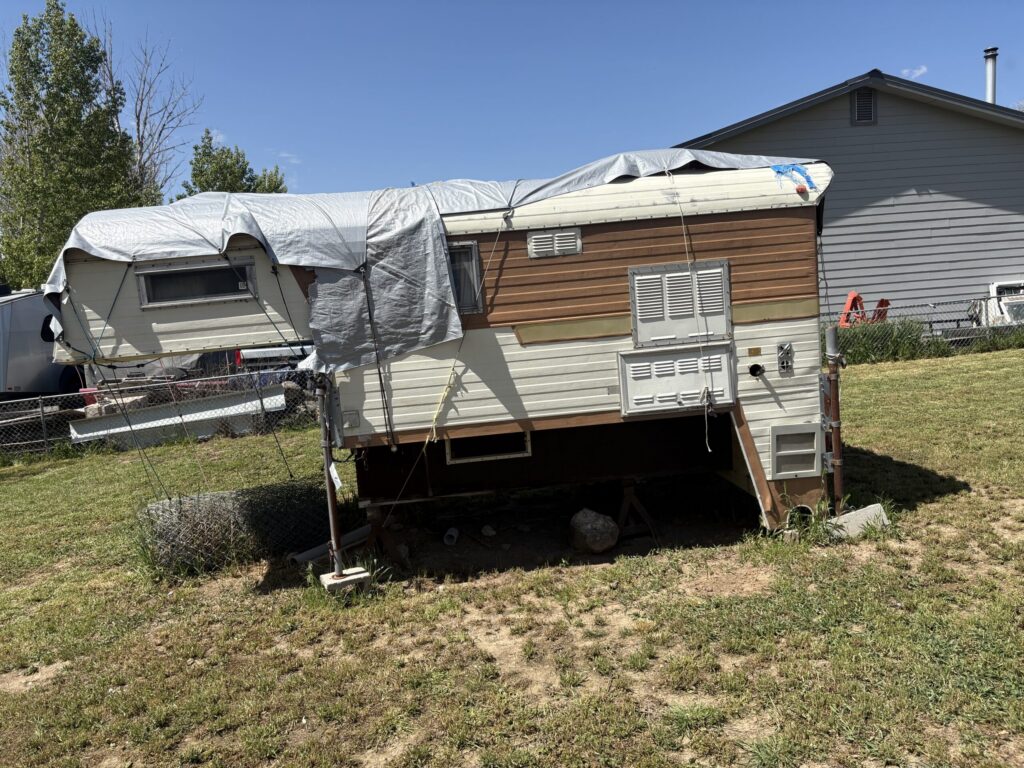
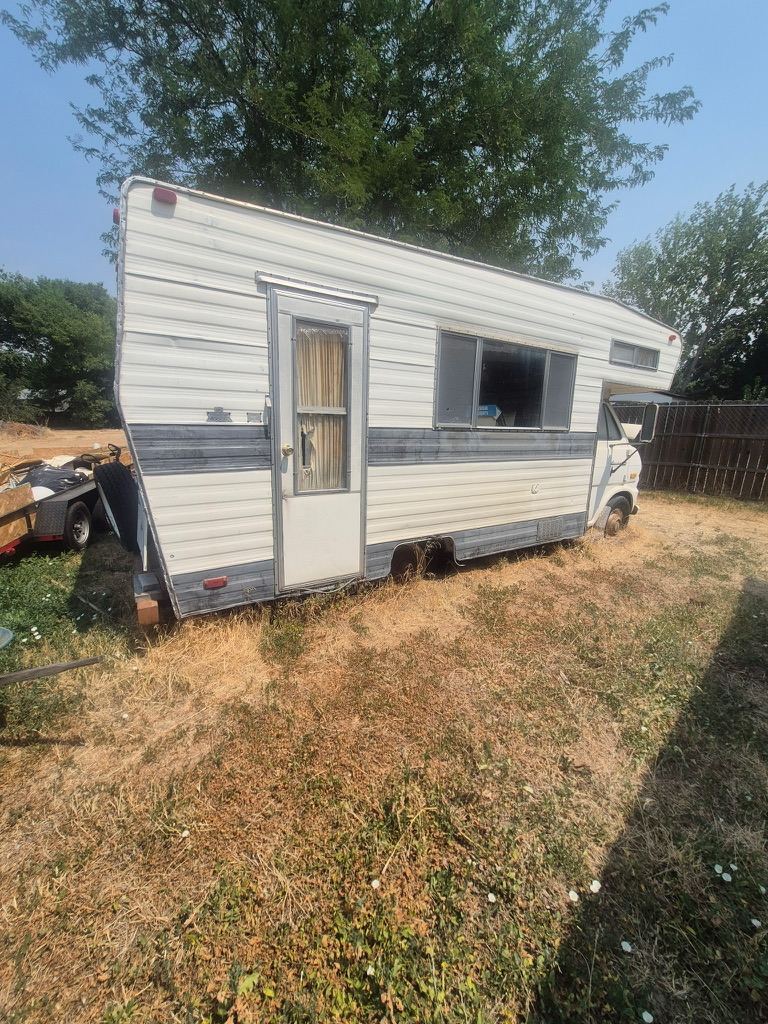
An RV can be a fantastic investment when it is being used. It gives families a way to travel, camp, explore Idaho, and enjoy weekends away without depending on hotels. But when that RV stops getting used, the situation can change quickly. A motorhome or travel trailer that once created great memories can eventually become nothing more than a huge piece of unwanted equipment sitting in the driveway.
For homeowners, landlords, property managers, businesses, and RV owners throughout Boise, getting rid of an old camper is not always simple. These vehicles are large, heavy, and often difficult to move when they have mechanical problems, damaged tires, deteriorated brakes, or years of neglect.
That is where RV Disposal comes in.
RV Disposal provides junk RV removal in Boise, Idaho, for customers who need unwanted recreational vehicles cleared from their properties. Whether you have an old motorhome behind your house, a travel trailer that has not moved in years, or a damaged camper sitting on a piece of land, professional removal can eliminate the hassle of figuring out what to do with it.
The service area also extends throughout the Treasure Valley and surrounding communities, making it possible for customers in Meridian, Nampa, Eagle, Kuna, Caldwell, Star, Middleton, and nearby areas to get assistance with unwanted RVs.
When Your Boise RV Becomes More Problem Than Adventure
Most unwanted RVs do not become junk overnight.
Usually, the process happens gradually.
The RV gets used less frequently. A repair gets postponed. A tire goes flat. A roof begins leaking. The battery dies. Registration expires. Then another season passes, followed by another.
Eventually, the owner realizes the camper has not moved in years.
At that point, keeping the RV can become more expensive and inconvenient than getting rid of it.
An older motorhome may need engine work, transmission repairs, tires, brakes, batteries, plumbing repairs, electrical work, or extensive interior restoration. A travel trailer can develop roof leaks, floor damage, deteriorated seals, axle problems, or structural issues.
If the RV has little remaining practical value, putting more money into it may not make financial sense.
Junk RV removal gives owners another option: remove the problem instead of continuing to maintain it.
Boise’s Climate Can Take a Toll on Old RVs
An RV that spends years sitting outside is exposed to Idaho’s changing weather conditions.
Boise experiences hot, dry summers, cold winters, freezing temperatures, snow, wind, and significant seasonal temperature swings. Those conditions can gradually affect an RV’s exterior and mechanical components.
Sun exposure can cause exterior materials to fade and deteriorate. Roofs and seals can become brittle. Temperature changes can contribute to cracking and expansion of materials. Winter conditions can create problems for plumbing and water systems when an RV has not been properly winterized.
Once water finds its way through a damaged roof or failed seal, the interior can deteriorate quickly.
Flooring, cabinets, walls, insulation, upholstery, and other components can suffer serious damage.
A camper that has been sitting unused in Boise for years may therefore be worth considerably less than the owner originally expected.
Instead of allowing the deterioration to continue, owners can consider professional RV removal.
What Kind of RVs Can RV Disposal Remove?
Different RVs require different removal strategies, but RV Disposal works with many types of recreational vehicles.
Depending on the specific circumstances, removal services can include:
- Class A motorhomes
- Class B motorhomes
- Class C motorhomes
- Travel trailers
- Fifth wheels
- Toy haulers
- Pop-up campers
- Older camping trailers
- Damaged motorhomes
- Non-running RVs
- Abandoned campers
- Water-damaged RVs
- Fire-damaged RVs
- Storm-damaged recreational vehicles
- Unwanted commercial RVs
The RV does not have to be in working condition.
In fact, many customers looking for junk RV removal in Boise have already reached the point where their camper is no longer practical to operate.
Whether it starts or not is only one part of determining how the removal will be handled.
You Don’t Have to Make an Unwanted RV Roadworthy
One of the biggest mistakes an RV owner can make is spending a fortune repairing a vehicle solely because they believe it needs to run before it can be removed.
If an old motorhome has a dead engine, repairing it could cost thousands of dollars.
If a trailer has four deteriorated tires, damaged brakes, or a bad axle, making it towable can also become expensive.
Then there are cosmetic repairs.
New flooring, replacement appliances, upholstery, roofing, cabinetry, windows, plumbing fixtures, and electrical components can add up quickly.
If you are not planning to use the RV again, there may be little reason to spend money restoring it simply to get rid of it.
Professional junk RV removal is designed for situations where the owner wants the unit gone in its current condition.
Non-Running RV Removal in Boise
A dead RV can be particularly frustrating because its size makes ordinary vehicle towing impractical.
You cannot simply jump-start a large motorhome and assume it will be safe to drive away. A severely deteriorated trailer may have additional problems that make conventional towing unsafe.
The location also matters.
An RV might be sitting in a narrow residential driveway, behind a fence, on a rural property, in a storage yard, or on a commercial lot. Obstacles around the vehicle can make removal more complicated.
RV Disposal can take the RV’s condition and location into consideration when planning the removal.
Customers should provide as much information as possible about the unit, including whether it runs, whether the tires hold air, and whether there are access restrictions.
The more accurate the information, the easier it is to determine the appropriate removal approach.
Clearing Out RVs Across the Treasure Valley
Boise is only one part of the region where unwanted RVs accumulate.
The Treasure Valley has a large mix of suburban neighborhoods, rural properties, growing developments, recreational properties, businesses, storage facilities, and open land.
That creates plenty of situations where an old RV can eventually become unwanted.
RV Disposal can serve customers in and around communities such as:
- Boise
- Meridian
- Nampa
- Eagle
- Kuna
- Caldwell
- Star
- Middleton
- Garden City
- Emmett
- Mountain Home
- Fruitland
- Payette
- Ontario
- Parma
- Melba
- Wilder
- Notus
- Greenleaf
- Homedale
Service availability can depend on the exact location, RV size, condition, and accessibility, but the objective is simple: help property owners remove recreational vehicles that they no longer want.
Boise Homeowners Want Their Driveways Back
One of the most common places an unwanted RV ends up is the driveway.
Maybe you bought a newer camper and the old one never left. Maybe a family member stopped using their motorhome. Perhaps the RV was purchased for a project that was never completed.
Whatever the reason, a large RV sitting in a driveway can consume valuable property space.
It may prevent vehicles from parking where they should, interfere with landscaping projects, or make the property appear cluttered.
Removing the RV can immediately make the space more functional.
For homeowners who have been saying, “We need to get rid of this thing,” for the last several years, scheduling junk RV removal may finally turn that plan into reality.
RV Removal for Landlords and Property Managers
An unwanted RV can create problems for rental property owners as well.
Landlords may inherit a camper from a former tenant, discover an abandoned RV on a property, or purchase an investment property where an old recreational vehicle was already present.
The longer the unit remains, the more difficult it can be to prepare the property for its next purpose.
An RV can interfere with landscaping, renovations, parking arrangements, property photography, inspections, or a future sale.
Property managers do not necessarily need another complicated project on their hands.
RV Disposal can help remove the physical burden of getting the unwanted unit off the property so the owner can move forward with other improvements.
Getting Rid of an RV You Inherited
Inherited RVs can create a unique problem.
A family member may have owned a motorhome for years, but relatives may not have any interest in camping or traveling. The RV may also be too large to store, too expensive to repair, or simply too old to be worth keeping.
An inherited camper can therefore become one more thing that needs to be dealt with during an estate transition.
Once the appropriate ownership and disposal authority has been established, professional RV removal can help simplify the physical side of the process.
Instead of trying to find a buyer, arrange transportation, clean out the interior, and coordinate several different services, the owner can focus on having the unwanted recreational vehicle removed.
Stop Paying Storage Fees for an RV You Don’t Use
RV storage can make sense when the vehicle is being actively used.
It becomes much harder to justify when the camper has not moved in years.
Monthly storage fees can quietly accumulate while the RV continues to depreciate and deteriorate.
After several years, an owner may have spent a significant amount of money storing something they no longer want.
If the RV is not being used and has little resale potential, removal can eliminate that recurring expense.
This is particularly relevant for owners in the Boise area who have older motorhomes or trailers sitting at storage facilities throughout the Treasure Valley.
Rather than continuing to pay for space occupied by an unwanted RV, owners can look into having the unit removed.
Selling an Old RV Isn’t Always Worth the Trouble
The private-sale process can sound attractive at first.
Take some pictures. Put the RV online. Wait for offers.
But older RVs can be difficult to sell, especially when they need repairs.
Potential buyers may ask about the engine, generator, plumbing, appliances, roof, tires, mileage, maintenance history, title, electrical system, and interior condition.
If the RV does not run, transportation becomes another issue.
A buyer may want a substantial discount because they know they will have to invest money into the vehicle.
After dealing with messages, negotiations, inspections, cancellations, and transportation arrangements, an owner may decide that selling is simply not worth the effort.
For someone who primarily wants the RV gone, junk RV removal can be a much more direct solution.
Commercial RV Removal in Boise
Businesses can also have unwanted recreational vehicles that need to be cleared.
Campgrounds, dealerships, property owners, contractors, storage facilities, rental businesses, and other commercial operations may eventually accumulate RVs that are no longer useful.
An obsolete motorhome can take up parking or storage space that could be used for equipment, customers, inventory, or other business purposes.
Removing unwanted RVs can help businesses reclaim that space without forcing employees to figure out how to transport a massive recreational vehicle themselves.
RV Disposal can work with commercial property owners to determine the requirements for removing unwanted campers and motorhomes.
How the RV Removal Process Works
Getting started with RV Disposal is straightforward.
First, provide information about the RV and where it is located. Details about the type of RV, its approximate size, overall condition, and whether it runs can all be useful.
Access information is also important.
Let the removal company know if the RV is behind a gate, parked in a tight driveway, surrounded by other vehicles, located on soft ground, or positioned somewhere with limited access.
Once the removal details have been discussed, a time can be arranged for the service.
The general process is:
- Contact RV Disposal.
- Describe the RV and its condition.
- Provide the removal location.
- Discuss access and any obstacles.
- Schedule the removal.
- Prepare the property for access when necessary.
- Have the RV removed and hauled away.
- Enjoy the newly cleared space.
The goal is to eliminate the need for the customer to coordinate the transportation themselves.
What Happens After an RV Is Hauled Away?
The removal process does not necessarily end when the RV leaves the property.
Recreational vehicles contain numerous materials and components, including metals, wiring, appliances, glass, plastics, fixtures, furniture, and other parts.
Depending on the condition of the unit and applicable disposal requirements, certain materials or components may be separated for appropriate handling or recovery.
The exact process varies based on the RV.
For the customer, the important part is that the unwanted camper is no longer occupying their property and they do not have to figure out how to transport a large recreational vehicle to a disposal location themselves.
Frequently Asked Questions About Boise RV Removal
Can you remove an RV that does not run?
Yes. Non-running motorhomes and campers are common candidates for professional junk RV removal. The specific removal method depends on the unit’s condition and location.
Do you remove old travel trailers?
Yes. Travel trailers, fifth wheels, toy haulers, pop-up campers, and other recreational trailers may qualify for removal.
What if my RV has flat tires?
Flat tires do not necessarily prevent removal. However, tire condition should be disclosed when arranging service so the appropriate equipment and approach can be considered.
Can you remove an RV from a driveway?
Yes. Driveway RV removal is a common request from Boise-area homeowners.
Do you remove damaged RVs?
Yes. Depending on accessibility and the extent of the damage, RV Disposal can handle many unwanted damaged recreational vehicles.
Can you remove an RV from a storage facility?
Potentially, yes. Customers should confirm that they have authorization to remove the unit and provide the storage location and access requirements.
Do you serve Meridian and Nampa?
RV Disposal serves Boise and surrounding Treasure Valley communities, with availability depending on the specific location and removal circumstances.
Do I need to repair the RV before removal?
Generally, no. If the goal is junk RV disposal, the RV does not need to be restored to like-new condition simply to have it removed.
How can I get started?
Contact RV Disposal with information about the RV, its condition, and where it is located. The removal requirements can then be discussed.
Make Room for Something Better With RV Disposal
An old RV can sit on a property for years because getting rid of it seems like a bigger project than simply leaving it there.
But eventually, that camper becomes more than an eyesore. It takes up space, accumulates repair problems, continues depreciating, and can become increasingly difficult to move.
If you have reached that point, RV Disposal can help.
From Boise to Meridian, Nampa, Eagle, Kuna, Caldwell, Star, Middleton, and surrounding Treasure Valley communities, professional junk RV removal provides property owners with a practical way to clear out unwanted motorhomes, campers, travel trailers, and other recreational vehicles.
You do not have to keep paying storage fees for an RV you never use. You do not have to spend thousands repairing a motorhome you no longer want. And you do not have to spend months dealing with potential buyers if selling the unit is not worth the hassle.
When the old RV has reached the end of the road, contact RV Disposal and start the process of getting your space back.
